


Main takeaways:
- Oud is a resin produced by infected Aquilaria trees, with fewer than 2% of wild trees developing it naturally.
- Oud’s scent ranges from sweet and fruity to smoky and animalic, depending on the region it's sourced from.
- High-grade oud oil can cost thousands per kilogram, making it one of the most expensive raw materials in perfumery.
Oud is one of the most talked-about notes in perfumery, and one of the most misunderstood. It's been called liquid gold, priced accordingly, and wrapped in enough mystique to make it hard to separate fact from marketing. This guide breaks down what oud actually is, where it comes from, what it smells like, and why it commands the prices it does.
What Is Oud Perfume?
Oud perfume is any fragrance built around oud, a dark, aromatic resin produced by Aquilaria trees. Also called oudh or agarwood, oud is one of the most prized raw materials in perfumery and has been used in scent-making for thousands of years.
Oud is not a single, one-dimensional note. Its scent profile is genuinely complex, ranging from sweet and balsamic to earthy and deeply woody, with undertones of leather, spice, and even fruit depending on origin and quality. That layered character is why perfumers reach for it so often: it adds depth and staying power to everything it touches, from standalone oud perfume oil to multi-note compositions.
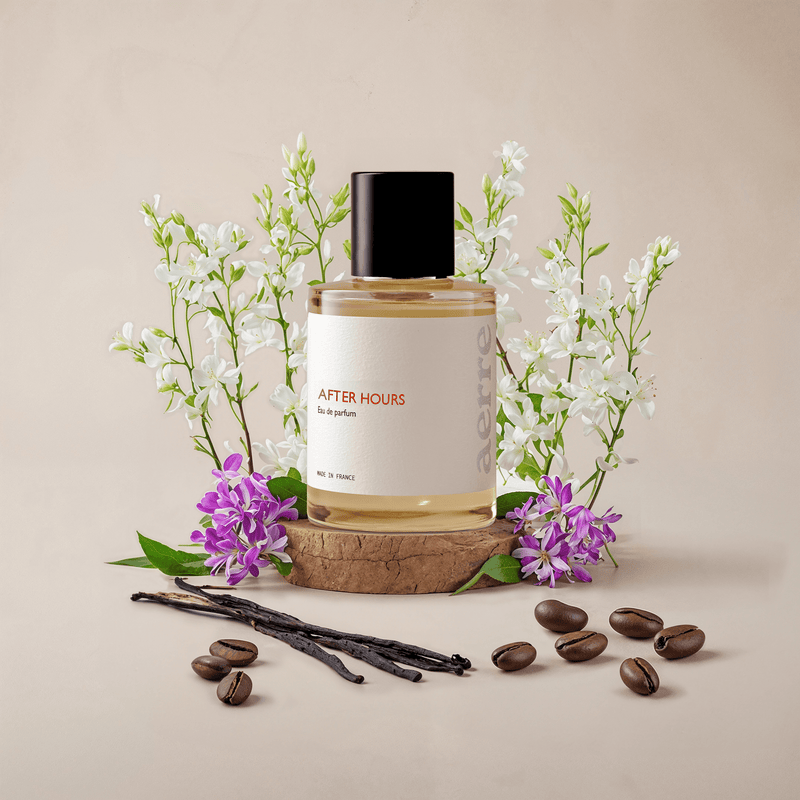
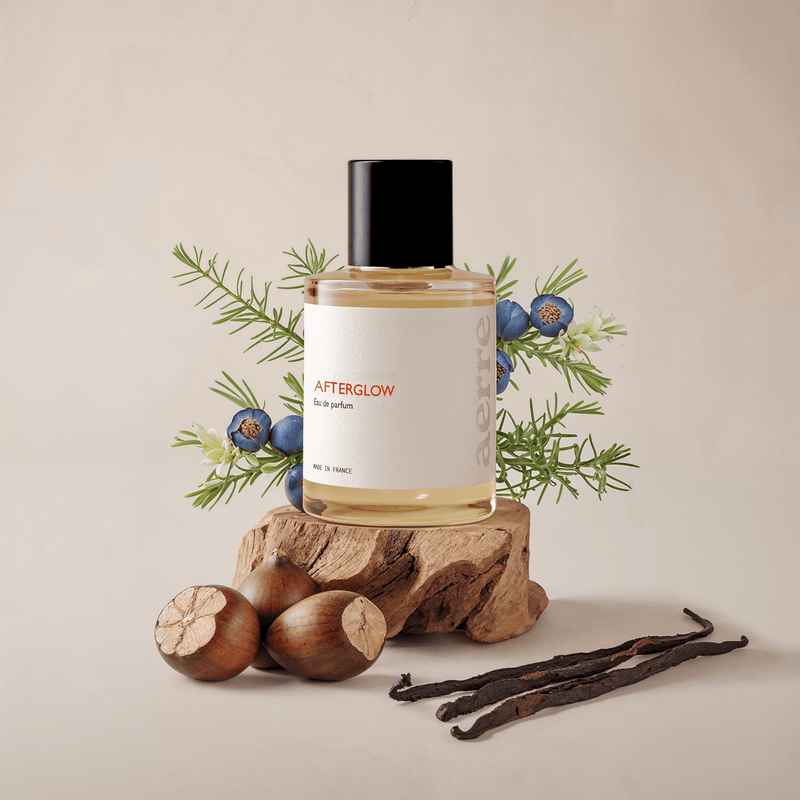
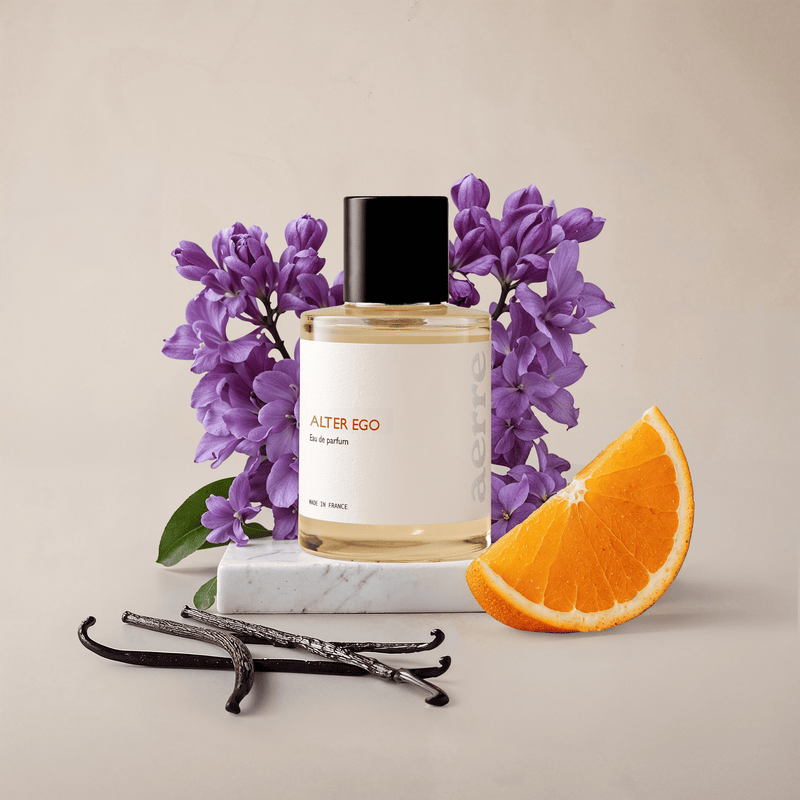
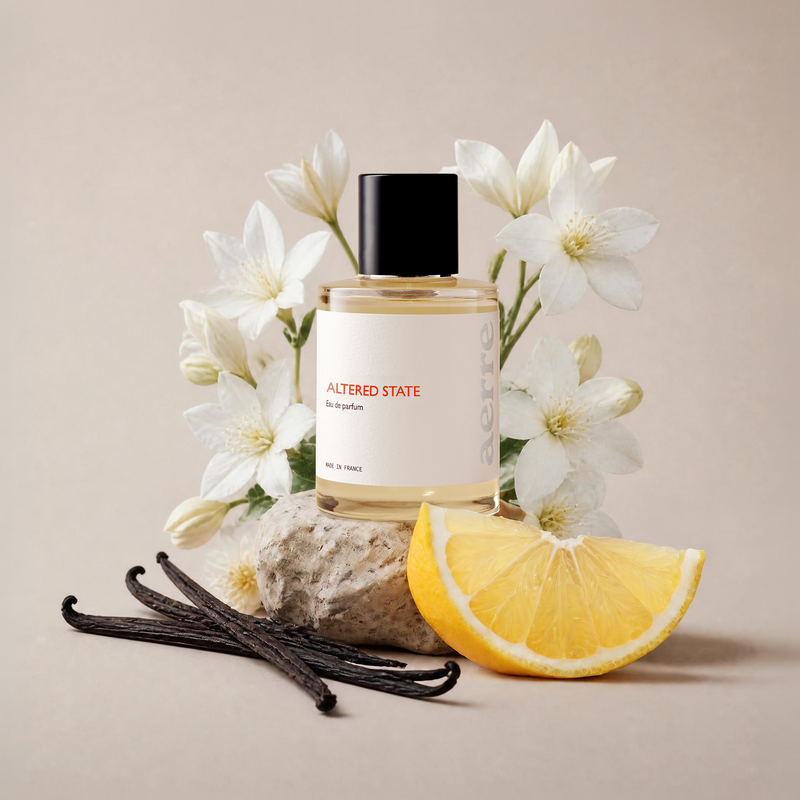
At Àerre, oud appears across several collections, each scent profile formulated in Provence. You'll find it as a central note in our dark perfume range, where it brings the kind of intensity and richness that makes a fragrance genuinely memorable.
What Does Oud Mean?
The word "oud" comes from the Arabic for wood. You'll see it transliterated as oudh, ood, or ud depending on the source. The primary growing regions are Cambodia, Laos, Thailand, Vietnam, and parts of India. Across the Arabian Peninsula and wider Middle East, oud is deeply embedded in cultural and religious traditions, used in everything from daily personal fragrance to ceremonial incense.
Where Does Oud Come From?
Oud originates in the dense rainforests of Southeast Asia, where Aquilaria trees grow naturally. The resin itself is a biological accident of sorts: when an Aquilaria tree becomes infected by the mould Phialophora parasitica, it produces a dark, fragrant resin throughout its heartwood as a defence response. This infected heartwood is what gets harvested and distilled into oud oil.
Only a small percentage of wild Aquilaria trees develop the infection naturally. Estimates vary, but the figure commonly cited is fewer than 2% of trees in the wild. Even when infection does occur, the resin takes years to mature before it reaches the concentration and complexity that perfumers require. That combination of biological rarity and slow maturation is central to why oud is so scarce.
What Does Oud Smell Like?
Pure oud oil has a rich, musky, woody core with undertones of amber and honey. But the specific character shifts significantly depending on where the Aquilaria tree was grown and how the resin was processed.
Different Types Of Oud
Cambodian oud tends toward the sweet and fruity side. Indian oud is heavier, leaning animalic and smoky. Egyptian oud sits somewhere in between: warm, resinous, with noticeable spice. These regional differences are part of what makes oud such a versatile perfumery ingredient. A perfumer can choose oud sourced from different regions to push a fragrance in completely different directions.
Oud Vs Sandalwood
People sometimes confuse oud with sandalwood, since both are woody and tree-derived. The distinction is straightforward. Sandalwood is soft, creamy, and relatively linear. Oud is darker, richer, and far more complex. They work well together in blends, but they're quite different materials. You can explore how oud pairs with other woods in Àerre's woody perfume collection, or see it combined with spice and resin in our oriental perfumes collection.
Why Is Oud So Expensive?
Oud's reputation as "liquid gold" comes down to simple supply-and-demand mathematics. There are a few key factors that feed into the cost of oud, like its scarcity and how it’s sourced.
Availability
The Convention on International Trade in Endangered Species (CITES) lists all Aquilaria species, and the IUCN classifies several as critically endangered. With fewer than 2% of wild trees producing resin naturally, the raw material is genuinely scarce.
Sourcing
The extraction process compounds the cost. Distilling oud oil requires processing large quantities of heartwood to yield a relatively small amount of oil. High-grade oud oil can sell for thousands of dollars per kilogram on the wholesale market, which is why pure oud fragrances from major luxury houses regularly carry price tags above $300.
Formulation
Àerre takes a different approach. Our oud-based fragrances are formulated in Provence, using the same suppliers that serve established luxury houses, then priced from $29. We skip the celebrity endorsements, department store markups, and excessive packaging budgets. The result is oud fragrances at fair pricing without compromising on concentration or ingredient quality. You can browse the full range in our rich perfume collection.
Oud in Perfumery: How It's Used in Fragrance Compositions
In a fragrance structure, oud almost always sits as a base note. It's slow to evaporate, which gives it excellent longevity on skin, and its complexity means it adds dimension to virtually any composition it enters.
That versatility makes oud a favourite across fragrance families:
- With spices and resins, oud creates the warm, enveloping character typical of oriental compositions.
- Paired with fresh herbs and citrus, it adds a warm, grounding base to aromatic perfumes that might otherwise feel too light.
- Alongside floral and fruity notes, oud provides balance and depth, preventing sweetness from becoming one-dimensional.
- Combined with frankincense and myrrh, it produces the meditative, smoky quality found in incense perfumes.
Oud's use in incense and religious ceremony predates modern perfumery by centuries. Across the Middle East and Asia, burning oud-infused incense remains a daily practice in many households. That spiritual and cultural heritage is part of what gives oud fragrances their distinctive sense of gravity and occasion.
For fragrances that lean into oud's more sensual, provocative side, Àerre's seductive perfume range pairs oud with musk, vanilla, and amber to create compositions designed for evening wear.
Oud in Àerre Fragrances
Àerre uses oud across multiple collections, all formulated in Provence at Eau de Parfum concentration (20-25% aromatic compounds). That concentration level matches or exceeds what you'll find in most designer fragrances, which means genuine longevity on skin rather than a scent that fades within an hour.
Every Àerre oud fragrance is an original formulation inspired by luxury scents. These are not copies. Our perfumers in Provence create proprietary blends that reference the character of well-known fragrances while standing on their own as distinct compositions.
Depending on the collection, oud plays different roles. In the mysterious perfume collection, it's layered with smoky and resinous accords. In our woody range, it's paired with cedar and vetiver. Across all collections, the approach is the same: luxury-grade ingredients, French formulation, and pricing that reflects the cost of what's in the bottle rather than what's on the label. You can explore the full lineup across the Àerre fragrance range.

